
-
 Price range: $90.00 through $216.00
 -

-

-
-

-

-

-

Buy Averbol 25
for sale without prescription. Purchase online, fat burners, pain pills, sleeping aid pills, weight loss pills, steriods…
$38.00Buy Averbol 25
$38.00 -

Boldabol 200 British Dragon
for sale without prescription. Purchase online, fat burners, pain pills, sleeping aid pills, weight loss pills, steriods…
$38.00Boldabol 200 British Dragon
$38.00 -
Boldenon 200mg
for sale without prescription. Purchase online, fat burners, pain pills, sleeping aid pills, weight loss pills, steriods…
$39.00Boldenon 200mg
$39.00 -

-

Buy D.Bal.Max online
Buy D.Bal.Max online without prescription. Purchase D Bal Max online safely, increase muscles with no side effects. Buy securely online
$45.00Buy D.Bal.Max online
$45.00 -
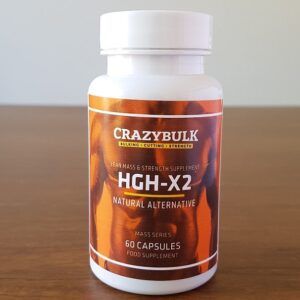
Buy HGH-X2 online
Buy HGH-X2 online, HGH-X2 for sale without prescription. Purchase HGH-X2 online . buy human growth hormones online without prescription
$38.00Buy HGH-X2 online
$38.00 -

-

-


Steroids: A Comprehensive Guide to Their Origins, Uses, and Dangers
Steroids are powerful compounds that have revolutionized medicine and athletic performance. While they offer significant benefits in treating medical conditions and enhancing physical capabilities, their misuse has led to widespread health risks and ethical concerns. This article explores the origins, uses, types, benefits, and dangers of steroids, providing a thorough understanding of their impact on health and society.
What Are Steroids?
Steroids are organic compounds that play a crucial role in various physiological processes. They are either naturally produced in the body or synthetically manufactured for medical and non-medical purposes.
Types of Steroids
Steroids can be broadly categorized into two main types:
- Corticosteroids: These are anti-inflammatory drugs used to treat a variety of medical conditions, such as asthma, arthritis, and autoimmune diseases.
- Anabolic-Androgenic Steroids (AAS): These are synthetic derivatives of testosterone, used to promote muscle growth and enhance physical performance.
The Origins of Steroids
The history of steroids is a fascinating journey that spans centuries, from ancient remedies to modern scientific breakthroughs.
1. Ancient Use of Natural Steroids
The use of natural substances with steroid-like effects dates back to ancient civilizations:
- Traditional Medicine: Ancient Egyptians and Greeks used plant extracts, such as fenugreek and ginseng, for their perceived strength-enhancing properties.
- Animal Testicles: In ancient China and India, extracts from animal testicles were consumed to boost vitality and masculinity, unknowingly tapping into the effects of testosterone.
2. The Discovery of Steroid Hormones
The modern understanding of steroids began in the early 20th century:
- Testosterone Isolation: In 1935, German scientists Adolf Butenandt and Leopold Ruzicka successfully isolated and synthesized testosterone, marking a major milestone in steroid research.
- Corticosteroids: In the 1940s, researchers developed synthetic corticosteroids, such as cortisone, to treat inflammatory conditions.
3. The Rise of Anabolic Steroids
Anabolic steroids were first developed in the 1930s to treat conditions like delayed puberty and muscle-wasting diseases. By the mid-20th century, they gained popularity among athletes and bodybuilders for their performance-enhancing effects.
How Do Steroids Work?
Steroids work by mimicking the effects of naturally occurring hormones in the body. Their mechanism of action varies depending on the type of steroid.
1. Corticosteroids
Corticosteroids reduce inflammation by suppressing the immune system and blocking the production of inflammatory chemicals. They are often used to treat conditions like:
- Asthma
- Rheumatoid arthritis
- Allergic reactions
2. Anabolic Steroids
Anabolic steroids promote muscle growth and repair by:
- Increasing protein synthesis in muscle cells
- Enhancing nitrogen retention, which is essential for muscle building
- Stimulating the production of red blood cells, improving oxygen delivery to muscles
Uses of Steroids
Steroids have a wide range of applications, from medical treatments to athletic performance enhancement.
1. Medical Uses
Steroids are prescribed to treat various medical conditions, including:
- Inflammatory Diseases: Corticosteroids are used to manage conditions like asthma, lupus, and Crohn’s disease.
- Hormonal Disorders: Anabolic steroids are prescribed for conditions like hypogonadism, where the body produces insufficient testosterone.
- Muscle-Wasting Diseases: Anabolic steroids help prevent muscle loss in patients with conditions like HIV/AIDS or cancer.
- Delayed Puberty: Anabolic steroids may be used to stimulate puberty in adolescents with delayed development.
2. Athletic Performance
Anabolic steroids are widely used by athletes and bodybuilders to:
- Increase muscle mass and strength
- Enhance endurance and recovery
- Improve overall physical performance
3. Cosmetic and Aesthetic Purposes
Some individuals use anabolic steroids to achieve a more muscular or toned appearance, even if they are not involved in competitive sports.
The Benefits of Steroids
When used appropriately and under medical supervision, steroids can provide several benefits, including:
- Reduced Inflammation: Corticosteroids effectively manage inflammation and improve quality of life for individuals with chronic conditions.
- Improved Muscle Mass: Anabolic steroids can help patients with muscle-wasting diseases regain strength and mobility.
- Enhanced Recovery: Athletes may use steroids to speed up recovery from injuries or intense training sessions.
- Hormonal Balance: Steroids can restore normal hormone levels in individuals with deficiencies.
The Dangers of Steroids
While steroids offer significant benefits, their misuse and overuse can lead to serious health risks and complications.
1. Side Effects of Corticosteroids
Prolonged use of corticosteroids can cause:
- Weight gain and fluid retention
- High blood pressure
- Osteoporosis
- Increased risk of infections
- Mood swings and depression
2. Side Effects of Anabolic Steroids
The misuse of anabolic steroids can result in a range of physical and psychological side effects, including:
- Hormonal Imbalances: Suppression of natural testosterone production, leading to testicular shrinkage, infertility, and gynecomastia (breast development in men).
- Cardiovascular Issues: Increased risk of heart attacks, strokes, and high cholesterol levels.
- Liver Damage: Oral anabolic steroids can cause liver toxicity and damage.
- Psychological Effects: Aggression, mood swings, and addiction, often referred to as “roid rage.”
- Skin Problems: Acne and oily skin.
3. Long-Term Health Risks
Chronic steroid misuse can lead to severe health problems, such as:
- Kidney damage or failure
- Permanent hormonal disruption
- Increased risk of certain cancers
Steroids in Sports: The Ethical Debate
The use of steroids in sports has sparked significant ethical and legal debates, particularly regarding fairness and health risks.
1. Performance Enhancement
Anabolic steroids can provide athletes with a competitive edge by improving strength, endurance, and recovery. However, their use is considered unethical and is banned by most sports organizations.
2. Doping Scandals
High-profile doping scandals, such as those involving Lance Armstrong and Ben Johnson, have highlighted the prevalence of steroid use in professional sports and the lengths athletes will go to gain an advantage.
3. Testing and Regulation
Sports organizations, such as the World Anti-Doping Agency (WADA), have implemented strict testing protocols to detect and deter steroid use. Athletes caught using steroids face penalties, including disqualification and suspension.
Alternatives to Steroids
For individuals seeking to improve their health or performance without the risks associated with steroids, there are several alternatives:
1. Natural Supplements
Supplements like protein powders, creatine, and branched-chain amino acids (BCAAs) can support muscle growth and recovery without the risks of steroids.
2. Hormone Replacement Therapy (HRT)
HRT can safely restore hormone levels in individuals with deficiencies under medical supervision.
3. Strength Training and Nutrition
A well-designed training program and balanced diet can help individuals achieve their fitness goals naturally.
4. Recovery Techniques
Adequate sleep, hydration, and stress management are essential for optimal recovery and performance.
Regulation and Safety of Steroids
The regulation of steroids varies by country, but most governments have implemented measures to control their use and distribution.
1. Prescription Guidelines
Steroids are typically available only by prescription and are regulated to ensure they are used safely and appropriately.
2. Illegal Use and Black Market
The misuse of steroids often involves obtaining them illegally through the black market, where products may be counterfeit or contaminated.
3. Education and Awareness
Public education campaigns aim to raise awareness about the risks of steroid misuse and promote safer alternatives.
Tips for Safe Use of Steroids
If you are prescribed steroids, here are some tips to ensure safe and effective use:
- Follow Your Doctor’s Instructions: Take the medication exactly as prescribed and do not exceed the recommended dose.
- Monitor Side Effects: Report any unusual symptoms or side effects to your doctor.
- Avoid Long-Term Use: Use steroids for the shortest duration necessary to achieve the desired effect.
- Do Not Share Medications: Never share your prescription steroids with others.
- Seek Medical Supervision: Consult a healthcare professional before starting or stopping steroid use.
Conclusion
Steroids have transformed medicine and athletic performance, offering significant benefits when used appropriately. However, their misuse and overuse can lead to serious health risks, ethical concerns, and legal consequences.
By understanding the origins, uses, and dangers of steroids, individuals can make informed decisions about their use. Through education, regulation, and the promotion of safer alternatives, we can ensure that steroids are used responsibly to improve health and well-being.