


Weight Loss Pills: A Comprehensive Guide to Their Origins, Uses, and Dangers
Weight loss pills have become a popular solution for individuals seeking to shed excess weight quickly and conveniently. While they promise rapid results, their safety and effectiveness remain topics of debate. This article explores the origins, uses, types, benefits, and dangers of weight loss pills, providing a thorough understanding of their impact on health and well-being.
What Are Weight Loss Pills?
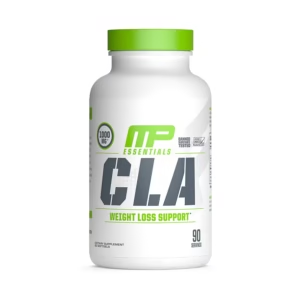
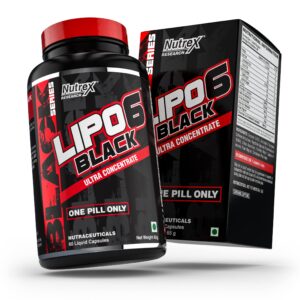
Weight loss pills, also known as diet pills or slimming pills, are medications or supplements designed to help individuals lose weight. They work through various mechanisms, such as suppressing appetite, increasing metabolism, or blocking fat absorption.
Key Characteristics of Weight Loss Pills
- Variety of Types: Weight loss pills include prescription medications, over-the-counter supplements, and herbal remedies.
- Mechanisms of Action: They target different aspects of weight management, such as appetite control, fat burning, or calorie absorption.
- Popularity: Weight loss pills are widely marketed as quick and easy solutions for weight management, appealing to individuals struggling with obesity or body image concerns.
The Origins of Weight Loss Pills
The history of weight loss pills is a fascinating journey that reflects society’s evolving attitudes toward body image, health, and fitness.
1. Early Weight Loss Remedies
The quest for weight loss solutions dates back centuries:
- Traditional Remedies: Ancient cultures used herbal teas, laxatives, and diuretics to promote weight loss.
- Victorian Era: In the 19th century, weight loss products like “fat reducers” and “anti-fat remedies” gained popularity, often containing dangerous ingredients like arsenic and strychnine.
2. The Birth of Modern Weight Loss Pills
The development of modern weight loss pills began in the 20th century:
- Amphetamines: In the 1930s, amphetamines were introduced as appetite suppressants. While effective, they carried a high risk of addiction and side effects.
- Thyroid Hormones: In the mid-20th century, thyroid hormones were used to boost metabolism, but they were often misused by individuals without thyroid disorders.
3. The Rise of Prescription Medications
In the late 20th century, pharmaceutical companies developed prescription weight loss medications, such as:
- Phentermine: Approved in the 1950s as an appetite suppressant.
- Fen-Phen: A combination of fenfluramine and phentermine, which was later withdrawn due to safety concerns.
How Do Weight Loss Pills Work?
Weight loss pills work through various mechanisms to promote weight loss. Their effectiveness and safety depend on the specific type of pill and its active ingredients.
1. Appetite Suppression
Some weight loss pills reduce hunger by affecting the brain’s appetite control centers. Common examples include:
- Phentermine: Stimulates the release of norepinephrine, which suppresses appetite.
- Lorcaserin: Activates serotonin receptors to promote feelings of fullness.
2. Fat Absorption Inhibition
Certain weight loss pills block the absorption of dietary fat in the intestines. For example:
- Orlistat: Inhibits the enzyme lipase, preventing the breakdown and absorption of fat.
3. Metabolism Boosting
Some pills increase the body’s metabolic rate, helping to burn more calories. Examples include:
- Caffeine-Based Supplements: Contain stimulants like caffeine or green tea extract to boost metabolism.
4. Thermogenesis
Thermogenic weight loss pills increase heat production in the body, which can help burn calories. Ingredients like capsaicin (found in chili peppers) are commonly used.
Uses of Weight Loss Pills
Weight loss pills are used for various purposes, ranging from medical treatment to cosmetic goals.
1. Medical Treatment for Obesity
Prescription weight loss pills are often used as part of a comprehensive treatment plan for obesity, which may include:
- Diet and exercise
- Behavioral therapy
- Medical supervision
2. Short-Term Weight Loss
Some weight loss pills are prescribed for short-term use to help individuals jumpstart their weight loss journey.
3. Cosmetic Weight Loss
Over-the-counter and herbal weight loss pills are often marketed to individuals seeking to lose a few pounds for aesthetic reasons.
4. Weight Maintenance
Certain weight loss pills are used to help individuals maintain their weight after significant weight loss.
The Benefits of Weight Loss Pills
When used appropriately and under medical supervision, weight loss pills can provide several benefits, including:
- Support for Weight Loss Goals: Help individuals achieve their weight loss targets more effectively.
- Improved Health Outcomes: Reduce the risk of obesity-related conditions, such as diabetes, heart disease, and hypertension.
- Increased Motivation: Provide a psychological boost by showing quick results, encouraging individuals to stick to their weight loss plan.
- Convenience: Offer a simple and accessible solution for individuals struggling with weight management.
The Dangers of Weight Loss Pills
While weight loss pills can be effective, their misuse and overuse can lead to significant health risks and complications.
1. Side Effects
Common side effects of weight loss pills include:
- Nausea and vomiting
- Diarrhea or constipation
- Headaches and dizziness
- Insomnia and restlessness
2. Risk of Dependency
Some weight loss pills, particularly those containing stimulants, can lead to physical or psychological dependency.
3. Cardiovascular Risks
Certain weight loss pills have been linked to serious cardiovascular issues, such as:
- Increased heart rate
- High blood pressure
- Heart attacks and strokes
4. Mental Health Effects
Weight loss pills can exacerbate mental health issues, leading to:
- Anxiety and depression
- Mood swings
- Eating disorders
5. Dangerous Ingredients
Some over-the-counter and herbal weight loss pills contain unregulated or harmful ingredients, such as:
- Ephedra: Banned in many countries due to its association with heart attacks and strokes.
- Sibutramine: Withdrawn from the market due to safety concerns.
Weight Loss Pills vs. Natural Weight Loss Methods
While weight loss pills offer a quick solution, natural weight loss methods are often safer and more sustainable.
1. Effectiveness
- Weight Loss Pills: Provide rapid results but may not address the underlying causes of weight gain.
- Natural Methods: Focus on long-term lifestyle changes, such as healthy eating and regular exercise.
2. Safety
- Weight Loss Pills: Carry a higher risk of side effects and complications.
- Natural Methods: Generally considered safe and beneficial for overall health.
3. Cost
- Weight Loss Pills: Can be expensive, especially prescription medications.
- Natural Methods: Often more affordable and accessible.
The Role of Weight Loss Pills in Public Health
Weight loss pills have both positive and negative implications for public health.
1. Addressing Obesity
Prescription weight loss pills can play a role in combating the obesity epidemic by helping individuals achieve and maintain a healthy weight.
2. Risks of Misuse
The widespread availability of over-the-counter weight loss pills has led to misuse and health risks, particularly among vulnerable populations.
3. Regulation and Safety
Governments and health organizations are working to regulate weight loss pills and ensure their safety and effectiveness.
Alternatives to Weight Loss Pills
For individuals seeking to lose weight without the risks associated with weight loss pills, there are several alternatives:
1. Diet and Exercise
A balanced diet and regular physical activity are the foundation of healthy weight loss.
2. Behavioral Therapy
Cognitive-behavioral therapy (CBT) can help individuals address emotional eating and develop healthier habits.
3. Medical Interventions
In severe cases, medical interventions such as bariatric surgery may be considered.
4. Natural Supplements
Certain natural supplements, such as fiber and protein powders, can support weight loss without the risks of synthetic pills.
Regulation and Safety of Weight Loss Pills
The regulation of weight loss pills varies by country, but most governments have implemented measures to ensure their safety and effectiveness.
1. Prescription Medications
Prescription weight loss pills are subject to rigorous testing and approval processes to ensure their safety and efficacy.
2. Over-the-Counter Supplements
Over-the-counter weight loss pills are less regulated, and their safety and effectiveness can vary widely.
3. Consumer Education
Public education campaigns aim to raise awareness about the risks of weight loss pills and promote healthier alternatives.
Tips for Safe Use of Weight Loss Pills
If you are considering using weight loss pills, here are some tips to ensure safe and effective use:
- Consult a Healthcare Professional: Seek medical advice before starting any weight loss pill.
- Follow Instructions: Take the medication exactly as directed and do not exceed the recommended dose.
- Monitor Side Effects: Report any unusual symptoms to your doctor immediately.
- Avoid Unregulated Products: Choose weight loss pills that are approved by regulatory authorities.
- Combine with Lifestyle Changes: Use weight loss pills as part of a comprehensive weight loss plan that includes diet and exercise.
Conclusion
Weight loss pills have become a popular tool for managing weight, offering quick and convenient solutions for individuals struggling with obesity or body image concerns. However, their misuse and overuse can lead to significant health risks and complications.
By understanding the origins, uses, and dangers of weight loss pills, individuals can make informed decisions about their use. Through education, regulation, and the promotion of healthier alternatives, we can ensure that weight loss pills are used responsibly to improve health and well-being.
