
-
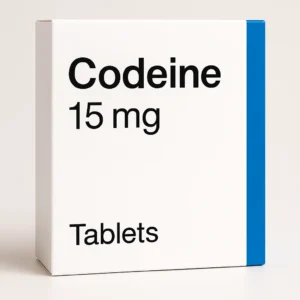
Buy Codeine 15mg Online
Codeine is an opioid pain medication. An opioid is sometimes called a narcotic. Codeine is used to treat mild to moderately severe pain. Codeine may also be used for purposes not listed in this medication guide.
Price range: $240.00 through $950.00 -
 Price range: $180.00 through $450.00
 -
 Price range: $120.00 through $250.00
 -

U-47700 Online
U-50488
AH-7921
U-69,593
Legality:
Sweden has outlawed U-47700 as of January 2016, but no other major jurisdictions have yet followed suit.Price range: $200.00 through $3,000.00 -
 Price range: $250.00 through $4,000.00
 -
 Price range: $220.00 through $5,000.00
 -

Buy NB-5-MeO-DALT Oxalate
- Synonym: tert-butyl 3-(2-(dialkylamino)ethyl)-5-methoxy-1H-indole-1-carboxylate oxalate CAS Number: none
- Formula :
- XX Mole
- mass: xx
- Purity: 98%>
Chemical Properties:- Molecular Formula: C20H24N2O5
- Molecular Weight: 376.42 g/mol
- IUPAC Name: (2-(5-methoxy-1H-indol-3-yl)-1-(prop-2-en-1-yl)propyl) benzyl carbamate ethanedioate
- Appearance: NB-5-MeO-DALT Oxalate is commonly found as a white or off-white powder.
Price range: $25.00 through $700.00

Synthetic Opioids: A Comprehensive Guide to Their Origins, Uses, and Dangers
Synthetic opioids are a class of man-made drugs designed to mimic the effects of natural opioids like morphine and codeine. While they have revolutionized pain management and medical care, their misuse has led to a global public health crisis. This article explores the origins, uses, types, benefits, and dangers of synthetic opioids, providing a thorough understanding of their impact on health and society.
What Are Synthetic Opioids?
Synthetic opioids are chemically manufactured drugs that interact with opioid receptors in the brain and body to relieve pain and produce feelings of euphoria. They are part of the broader opioid category, which includes natural and semi-synthetic opioids.
Key Characteristics of Synthetic Opioids
- Man-Made: Unlike natural opioids derived from the opium poppy, synthetic opioids are entirely artificial.
- Potent and Fast-Acting: Many synthetic opioids are significantly more potent than natural opioids, making them effective for severe pain but also highly dangerous.
- Wide Range of Applications: Synthetic opioids are used in medical settings for pain relief, anesthesia, and palliative care.
The Origins of Synthetic Opioids
The history of synthetic opioids is closely tied to the development of modern medicine and the search for effective pain management solutions.
1. Early Opioid Use
The use of opioids dates back thousands of years:
- Natural Opioids: Ancient civilizations used opium, derived from the opium poppy, for pain relief and recreational purposes.
- Morphine and Codeine: In the 19th century, scientists isolated morphine and codeine from opium, marking the beginning of modern opioid pharmacology.
2. The Development of Synthetic Opioids
The creation of synthetic opioids began in the 20th century as researchers sought alternatives to natural opioids:
- Methadone: Developed in Germany during World War II as a synthetic alternative to morphine.
- Fentanyl: Synthesized in the 1960s, fentanyl is one of the most potent synthetic opioids and is widely used in medical settings.
- Tramadol: Introduced in the 1970s as a less potent synthetic opioid for moderate pain relief.
3. The Rise of Illicit Synthetic Opioids
In recent decades, illicitly manufactured synthetic opioids, such as fentanyl analogs, have emerged as major contributors to the opioid crisis.
How Do Synthetic Opioids Work?
Synthetic opioids work by binding to opioid receptors in the brain, spinal cord, and other parts of the body. This interaction blocks pain signals and produces feelings of euphoria.
1. Pain Relief
Synthetic opioids are highly effective at reducing pain by:
- Inhibiting the transmission of pain signals in the nervous system.
- Altering the perception of pain in the brain.
2. Euphoria and Relaxation
In addition to pain relief, synthetic opioids can produce feelings of euphoria, relaxation, and well-being, which contribute to their potential for misuse.
3. Respiratory Depression
One of the most dangerous effects of synthetic opioids is respiratory depression, where breathing slows or stops entirely. This is the leading cause of opioid-related deaths.
Uses of Synthetic Opioids
Synthetic opioids have a wide range of medical and non-medical applications, though their misuse has overshadowed their legitimate uses.
1. Medical Uses
Synthetic opioids are prescribed for various medical conditions, including:
- Severe Pain: Used to manage acute and chronic pain, such as post-surgical pain or cancer-related pain.
- Anesthesia: Fentanyl and other synthetic opioids are used in combination with other drugs during surgery.
- Palliative Care: Provide comfort and pain relief for patients with terminal illnesses.
- Opioid Dependence Treatment: Methadone and buprenorphine are used in medication-assisted treatment (MAT) for opioid addiction.
2. Recreational Use
Synthetic opioids are often misused for their euphoric effects. Common methods of misuse include:
- Taking higher doses than prescribed.
- Crushing and snorting pills.
- Injecting liquid forms of the drug.
3. Illicit Use
Illicitly manufactured synthetic opioids, such as fentanyl and its analogs, are often mixed with other drugs like heroin or cocaine, increasing their potency and danger.
The Benefits of Synthetic Opioids
When used appropriately and under medical supervision, synthetic opioids offer several benefits, including:
- Effective Pain Management: Provide relief for severe and chronic pain that cannot be managed with other medications.
- Improved Quality of Life: Help patients with debilitating pain regain mobility and function.
- Support for Addiction Recovery: Medications like methadone and buprenorphine reduce withdrawal symptoms and cravings, supporting recovery from opioid addiction.
- Controlled Anesthesia: Enable precise control of pain and sedation during surgical procedures.
The Dangers of Synthetic Opioids
The misuse of synthetic opioids has led to a global public health crisis, with significant risks and consequences.
1. High Risk of Overdose
Synthetic opioids are highly potent, and even small doses can cause overdose. Symptoms of overdose include:
- Slow or shallow breathing
- Unconsciousness
- Blue lips or fingertips
- Death in severe cases
2. Addiction and Dependence
Synthetic opioids are highly addictive, leading to physical and psychological dependence. Signs of addiction include:
- Cravings for the drug
- Inability to stop using despite negative consequences
- Withdrawal symptoms when not using
3. Health Complications
Chronic misuse of synthetic opioids can result in:
- Liver and kidney damage
- Cardiovascular problems
- Suppressed immune function
- Increased risk of infections, such as HIV and hepatitis, from needle sharing
4. Impact on Mental Health
Synthetic opioids can exacerbate mental health issues, leading to:
- Depression and anxiety
- Cognitive impairment
- Increased risk of suicide
Synthetic Opioids and the Opioid Crisis
The opioid crisis is a global epidemic driven in large part by the misuse of synthetic opioids.
1. The Role of Fentanyl
Fentanyl and its analogs are among the leading causes of opioid-related deaths. These substances are often mixed with other drugs, making them more potent and dangerous.
2. Overdose Epidemic
The widespread availability of synthetic opioids has led to a surge in overdose deaths. In the United States alone, synthetic opioids were involved in over 70% of opioid-related deaths in recent years.
3. Economic and Social Impact
The opioid crisis has had far-reaching consequences, including:
- Increased healthcare costs
- Strain on law enforcement and social services
- Devastation of families and communities
Alternatives to Synthetic Opioids
For individuals seeking pain relief or addiction treatment without the risks associated with synthetic opioids, there are several alternatives:
1. Non-Opioid Pain Relievers
Medications like acetaminophen, ibuprofen, and aspirin can effectively manage mild to moderate pain.
2. Physical Therapy
Physical therapy and rehabilitation programs can help alleviate pain and improve mobility.
3. Complementary Therapies
Alternative treatments, such as acupuncture, massage, and mindfulness meditation, may provide relief for certain types of pain.
4. Non-Opioid Medications for Addiction
Medications like naltrexone can help manage opioid addiction without the risk of dependence.
Regulation and Safety of Synthetic Opioids
The regulation of synthetic opioids varies by country, but most governments have implemented measures to control their use and distribution.
1. Prescription Guidelines
Healthcare providers are encouraged to follow strict guidelines when prescribing synthetic opioids, including:
- Limiting the duration and dosage of prescriptions
- Monitoring patients for signs of misuse
2. Naloxone Distribution
Naloxone, a medication that reverses opioid overdoses, is increasingly available to first responders, healthcare providers, and the public.
3. International Efforts
Organizations like the United Nations and the World Health Organization (WHO) are working to address the global opioid crisis through education, regulation, and harm reduction strategies.
Tips for Safe Use of Synthetic Opioids
If you are prescribed synthetic opioids, here are some tips to ensure safe and effective use:
- Follow Your Doctor’s Instructions: Take the medication exactly as prescribed and do not exceed the recommended dose.
- Store Safely: Keep opioids in a secure location to prevent misuse by others.
- Dispose Properly: Dispose of unused opioids at a designated drug take-back location.
- Avoid Mixing Substances: Do not combine opioids with alcohol or other sedatives.
- Seek Help for Misuse: If you or someone you know is struggling with opioid addiction, seek professional help immediately.
Conclusion
Synthetic opioids have transformed pain management and addiction treatment, offering significant benefits when used appropriately. However, their misuse has led to a global public health crisis, with devastating consequences for individuals, families, and communities.
By understanding the origins, uses, and dangers of synthetic opioids, we can work toward solutions that balance their medical benefits with the need for safety and regulation. Through education, harm reduction, and access to treatment, we can mitigate the impact of synthetic opioids and protect public health.