
-
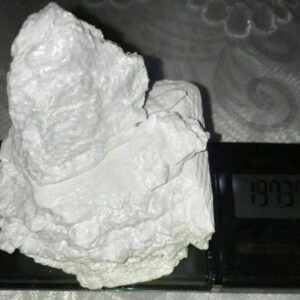
Buy Peruvian Flake Cocaine Online
Purity: 95%
Drug Class: Stimulant
Buy More Pay LessPrice range: $300.00 through $9,000.00 -
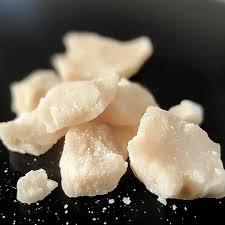
Buy Crack Cocaine Online
Purity: 90%
Drug Class: Stimulant
Buy More Pay LessPrice range: $250.00 through $15,000.00 -
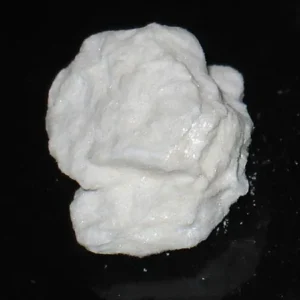
Buy Peruvian Cocaine Luxury Fishscale
Purity: 95%
Drug Class: Stimulant
Buy More Pay LessPrice range: $500.00 through $35,000.00 -
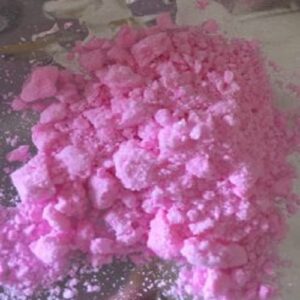
Buy Peruvian Pink Cocaine
Purity: 90%
Drug Class: Stimulant
Buy More Pay LessPrice range: $500.00 through $35,000.00 -

Buy Colombian Cocaine Online
Purity: 95%
Drug Class: Stimulant
Buy More Pay LessPrice range: $500.00 through $35,000.00 -
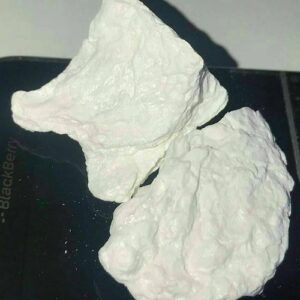
Buy Pure Cocaine Online
Purity: 87%
Drug Class: Stimulant
Buy More Pay LessPrice range: $500.00 through $35,000.00 -
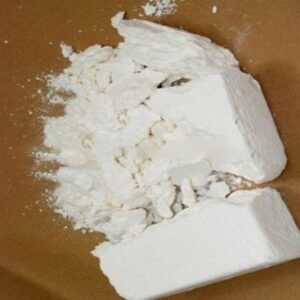
Buy Volkswagen Cocaine Online
Purity: 90%
Drug Class: Stimulant
Buy More Pay LessPrice range: $500.00 through $35,000.00 -
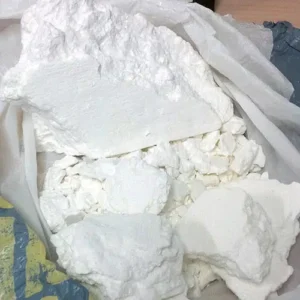
Buy Bolivian Flake Cocaine Online
Purity: 95%
Drug Class: Stimulant
Buy More Pay LessPrice range: $500.00 through $35,000.00

Cocaine: A Comprehensive Guide to Its Origins, Uses, and Dangers
Cocaine is one of the most well-known and controversial substances in the world. From its ancient origins as a sacred plant to its modern reputation as a powerful and dangerous stimulant, cocaine has had a profound impact on societies across the globe. This article explores the history, uses, dangers, and societal implications of cocaine, providing a thorough understanding of this potent drug.
What Is Cocaine?
Cocaine is a powerful stimulant drug derived from the leaves of the coca plant (Erythroxylum coca), which is native to South America. It is classified as a Schedule II controlled substance in the United States, meaning it has a high potential for abuse but also has limited medical uses.
Cocaine is commonly found in two forms:
- Powder Cocaine: A fine, white powder that is typically snorted or dissolved and injected.
- Crack Cocaine: A crystallized form of cocaine that is smoked for a more intense and immediate high.
Both forms of cocaine are highly addictive and can have devastating effects on the body and mind.
The Origins of Cocaine
The history of cocaine dates back thousands of years, with its use evolving significantly over time.
1. Ancient Use of Coca Leaves
The coca plant has been used for over 3,000 years by indigenous peoples in the Andes Mountains of South America. Coca leaves were chewed or brewed into tea to combat fatigue, hunger, and altitude sickness. The practice was deeply rooted in cultural and spiritual traditions, with coca often regarded as a sacred plant.
2. The Discovery of Cocaine
Cocaine was first isolated from coca leaves in 1859 by German chemist Albert Niemann. This marked the beginning of its use as a medicinal compound. In the late 19th century, cocaine was widely used in medicine and even included in popular products like Coca-Cola and over-the-counter tonics.
3. The Rise of Recreational Use
By the early 20th century, the dangers of cocaine became apparent, leading to its regulation and eventual prohibition in many countries. Despite these efforts, cocaine use surged in the 1970s and 1980s, fueled by the global drug trade and its popularity in nightlife and celebrity culture.
How Does Cocaine Work?
Cocaine exerts its effects by interfering with the brain’s reward system. It blocks the reuptake of dopamine, a neurotransmitter associated with pleasure and motivation, causing an accumulation of dopamine in the brain. This leads to intense feelings of euphoria, energy, and confidence.
The effects of cocaine are short-lived, typically lasting 15-30 minutes when snorted and 5-10 minutes when smoked or injected. This short duration often leads users to take repeated doses, increasing the risk of addiction and overdose.
Uses of Cocaine
Cocaine has both historical and modern applications, though its use today is largely recreational and illegal.
1. Historical Medical Uses
In the late 19th and early 20th centuries, cocaine was used as a local anesthetic and a treatment for various ailments, including:
- Fatigue
- Depression
- Pain relief
- Colds and coughs
Sigmund Freud, the famous psychoanalyst, was an early advocate of cocaine, believing it to be a “miracle drug” for treating depression and other mental health conditions. However, the addictive nature of cocaine soon became evident, leading to its decline in medical use.
2. Modern Medical Uses
Today, cocaine is rarely used in medicine, but it is still occasionally employed as a local anesthetic for certain surgical procedures, particularly in the eyes, ears, and throat. Its medical use is strictly regulated and limited to specific cases.
3. Recreational Use
Cocaine is primarily used recreationally for its stimulant effects, which include:
- Euphoria and heightened confidence
- Increased energy and alertness
- Enhanced sociability
However, the recreational use of cocaine is illegal in most countries and is associated with significant health and legal risks.
The Dangers of Cocaine
Cocaine is one of the most dangerous drugs due to its high potential for addiction and its harmful effects on the body and mind. Here are some of the most significant dangers associated with cocaine use:
1. Physical Health Risks
Cocaine can have severe effects on the body, including:
- Cardiovascular Issues: Cocaine increases heart rate and blood pressure, raising the risk of heart attacks, strokes, and arrhythmias.
- Respiratory Problems: Smoking crack cocaine can damage the lungs and airways, leading to chronic respiratory issues.
- Neurological Damage: Long-term use can cause seizures, headaches, and brain damage.
- Nasal Damage: Snorting cocaine can erode the nasal septum, leading to chronic nosebleeds and difficulty breathing.
2. Psychological Effects
Cocaine can have profound effects on mental health, including:
- Anxiety and Paranoia: Users often experience heightened anxiety and irrational fears.
- Hallucinations and Psychosis: High doses can induce hallucinations and delusional thinking.
- Depression: The “crash” that follows cocaine use can lead to severe depression and suicidal thoughts.
3. Dependency and Addiction
Cocaine is highly addictive due to its intense and short-lived effects. Repeated use can lead to physical and psychological dependence, making it difficult for users to quit.
4. Overdose Risks
Cocaine overdose can be life-threatening and is characterized by symptoms such as:
- Rapid heart rate
- High blood pressure
- Hyperthermia (elevated body temperature)
- Seizures
- Loss of consciousness
In severe cases, overdose can result in death.
Cocaine and Society
Cocaine has had a profound impact on societies around the world, influencing culture, economics, and public health.
1. The Global Drug Trade
Cocaine production is concentrated in South America, with Colombia, Peru, and Bolivia being the primary producers. The global cocaine trade is a multi-billion-dollar industry, fueling violence, corruption, and environmental destruction in producing regions.
2. Social and Economic Costs
The widespread use of cocaine has significant social and economic costs, including:
- Increased healthcare expenses due to addiction treatment and emergency care
- Lost productivity in the workplace
- Strain on law enforcement and criminal justice systems
3. Cultural Impact
Cocaine has been glamorized in popular culture, particularly in music, movies, and television. This portrayal often downplays the dangers of cocaine use, contributing to its appeal among certain demographics.
Legal Status of Cocaine
Cocaine is classified as a controlled substance in most countries, meaning its production, distribution, and use are strictly regulated. Here’s an overview of its legal status:
1. International Regulations
Cocaine is listed as a Schedule I drug under the United Nations Single Convention on Narcotic Drugs, indicating that it has a high potential for abuse and no accepted medical use.
2. National Laws
In the United States, cocaine is classified as a Schedule II drug under the Controlled Substances Act, reflecting its limited medical use. Possession, distribution, or manufacture of cocaine without proper authorization is illegal and punishable by fines and imprisonment.
3. Efforts to Combat Cocaine Trafficking
Governments and international organizations have implemented various strategies to combat cocaine trafficking, including:
- Crop eradication programs
- Interdiction efforts to intercept drug shipments
- Public education campaigns to reduce demand
Treatment for Cocaine Addiction
Overcoming cocaine addiction requires a comprehensive approach that addresses both the physical and psychological aspects of dependency. Here are some common treatment strategies:
1. Behavioral Therapy
Behavioral therapies, such as cognitive-behavioral therapy (CBT), can help individuals identify and change the thought patterns and behaviors that contribute to their addiction. Therapy also provides coping strategies for managing cravings and avoiding relapse.
2. Support Groups
Support groups, such as Cocaine Anonymous (CA), offer a sense of community and accountability for individuals in recovery. Sharing experiences with others can be a powerful source of motivation and encouragement.
3. Medication-Assisted Treatment
While there are no FDA-approved medications specifically for cocaine addiction, certain medications, such as disulfiram and naltrexone, are being studied for their potential to reduce cravings and withdrawal symptoms.
4. Inpatient and Outpatient Programs
Rehabilitation programs, whether inpatient or outpatient, provide structured environments for individuals to focus on their recovery. These programs often include a combination of therapy, education, and support services.
Preventing Cocaine Abuse
Preventing cocaine abuse requires a multi-faceted approach that includes education, regulation, and community support. Here are some strategies for reducing the prevalence of cocaine use:
1. Public Education
Raising awareness about the dangers of cocaine is crucial for preventing its misuse. Educational campaigns can target schools, communities, and healthcare providers to ensure that people understand the risks associated with cocaine use.
2. Early Intervention
Identifying and addressing substance abuse early can prevent it from escalating into addiction. Parents, teachers, and healthcare providers should be trained to recognize the signs of drug use and provide support to those in need.
3. Policy and Regulation
Governments must continue to enforce strict regulations on cocaine production and distribution while also addressing the root causes of drug trafficking, such as poverty and political instability in producing regions.
Conclusion
Cocaine is a powerful and dangerous drug with a complex history and far-reaching impact. From its ancient use as a sacred plant to its modern role in the global drug trade, cocaine has shaped societies in profound ways.
By understanding the origins, uses, and dangers of cocaine, we can make informed decisions about its role in society and work towards minimizing its risks. Through education, regulation, and support for those affected by addiction, we can address the challenges posed by cocaine and promote healthier, safer communities.