
-

Buy 6-APB Succinate
Synonym : 6-(2-aminopropyl)benzofuran; Benzofury
CAS Number : 286834-85-3
Formula : C11H13NO • Succinate
Molar Mass : 175.23 g/molOr are you looking for 6-APB Pellets? >>
Price range: $14.95 through $1,199.95 -

Buy 6-APB 130mg Pellets
Replacement for Benzo Fury 6-APB 100MG pellets >>
Synonym : 6-(2-aminopropyl)benzofuran
CAS Number: 286834-85-3
Formula : C 11 H 13 N O
Mole mass : 175.231 g/mol
Purity : >98%Price range: $5.95 through $737.50 -

Buy Borax Combo
Product Name: Blue Bliss 102mg Pellets (80mg 5-MAPB + 20mg 2-FMA + 2mg 5-MeO-MiPT)
Other Name(s): Borax Molly, Pink Stars or NeXTC
CAS: N/A
IUPAC Name: N/A
Active Ingredient(s): 5-MAPB 80mg, 2-FMA 20mg, 5-MeO-MiPT 2mg.
Other Ingredient(s): MCC, colloidal silicon dioxide, sodium starch glycolate, sodium strearyl fumarate, titanium dioxide
Appearance: pentagonal sky blue pellets
Price range: $35.00 through $557.00 -
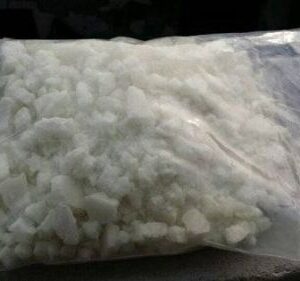
Buy 5-MAPB
Synonym: 1-(benzofuran-5-yl)-N-methylpropan-2-amine
CAS Number: 1354631-77-8
Formula: C12H15NO fumarate
Molecular mass: 189.25 g/mol
Purity: >98%Price range: $13.75 through $400.00 -
Buy Purple Mandala Mix online
The number #1 of our Mandala mixes!
NB! This Purple Mandala mix contains 5–MAPB and 4-FMA.
- Chemical Formula: C12H16N2
- Molecular Weight: 188.27 g/mol
- Melting Point: 40-60 °C
- Boiling Point: 160-165 °C
Price range: $8.96 through $298.13 -

Buy MaXTC 5-MAPB/4-FMA/5-MeO-MiPT
Get 5 packs (50 pellets), pay for 4! (already included in the graduated price)
Price range: $69.95 through $279.95 -
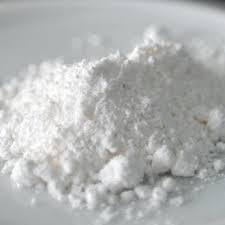
Buy 5-EAPB
Synonyms : 1-(benzofuran-5-yl)-N-ethylpropan-2-amine, monohydrochloride
CAS Number : 1445560-01-7
Formula : C13H17NO • HCl
Molar mass : 239.8 g/mol
Purity : ≥99%Price range: $15.00 through $200.00 -

Buy Benzo Fury 6-APB 100mg Pellets
Get 5 blisters (50 pellets); pay for 4! (already included in the graduated price).
Synonym: 6-(2-aminopropyl)benzofuran
CAS Number: 286834-85-3
Formula: C 11 H 13 N O
Mole mass: 175.231 g/mol
Purity: >98%Price range: $47.95 through $189.95 -

Buy Borax Combo 1.0 Pellets
This product has been replaced by MaXTC 5-MAPB/4-FMA/5-MeO-MiPT
These Borax combo pellets contain the following substances:
5-MAPB / 1-(benzofuran-5-yl)-N-methylpropan-2-amine 70 MG
CAS Number: 1354631-77-8
Formula: C12H15NO
Molar mass: 189.25 g/mol
Purity: >97%4-FMA / 4-fluoroamphetamine 30 MG
CAS Number: 52063-62-4
Formula: C10H14FN • HCL
Molar mass: 203.7 g/mol
Purity: ≥99%5-MeO-MiPT HCl / 5-methoxy-N-isopropyl-N-methyltryptamine hydrochloride 2MG
CAS Number: 96096-55-8
Formula: 3-[2-(isopropylmethylamino)ethyl]-5-methoxyindole hydrochloride
Molar mass: 282.8 g/mol
Purity: >97%


Benzofuran: A Comprehensive Guide to Its Origins, Uses, and Dangers
Benzofuran is a fascinating organic compound that has captured the attention of chemists, researchers, and pharmacologists for decades. Known for its unique structure and diverse applications, benzofuran is both a valuable tool in scientific research and a compound of concern due to its association with synthetic drugs. This article explores the origins, uses, dangers, and societal impact of benzofuran, providing a thorough understanding of this intriguing compound.
What is Benzofuran?
Benzofuran, also known as coumarone, is an aromatic organic compound with the chemical formula C8H6O. It consists of a fused benzene and furan ring, giving it a unique bicyclic structure. Benzofuran is a colorless liquid at room temperature and is known for its pleasant, sweet odor.
This compound occurs naturally in some plants and essential oils, but it can also be synthesized in laboratories. Benzofuran serves as a building block for various chemical reactions and is used in the production of pharmaceuticals, fragrances, and other industrial products.
The Origins of Benzofuran
The history of benzofuran dates back to the late 19th century when it was first isolated from coal tar, a byproduct of coal processing. Coal tar was a rich source of aromatic compounds, and benzofuran was one of the many substances identified during the early days of organic chemistry.
Over time, researchers discovered that benzofuran could also be found in nature. It is present in certain essential oils, such as those derived from cinnamon and lavender, as well as in some plants and fungi. These natural sources of benzofuran have been studied for their potential therapeutic properties, including antimicrobial and antioxidant effects.
In the 20th century, the synthesis of benzofuran and its derivatives became a focus of research, leading to the development of numerous applications in medicine, industry, and agriculture.
How is Benzofuran Synthesized?
Benzofuran can be synthesized through various chemical methods, depending on the desired application. Some common methods include:
- Cyclization Reactions: Benzofuran can be synthesized by cyclizing phenolic compounds with aldehydes or ketones under acidic or basic conditions.
- Dehydration of Hydroxyaryl Ketones: This method involves the removal of water from hydroxyaryl ketones to form the benzofuran ring.
- Extraction from Natural Sources: Benzofuran can be isolated from essential oils and plant extracts using distillation and chromatography techniques.
These methods allow for the production of benzofuran in both laboratory and industrial settings, enabling its use in a wide range of applications.
Uses of Benzofuran
Benzofuran and its derivatives have a variety of applications across different fields, including medicine, industry, and research. Here are some of the most notable uses:
1. Pharmaceutical Applications
Benzofuran serves as a precursor for the synthesis of several pharmaceutical compounds. Its derivatives have been studied for their potential therapeutic effects, including:
- Antimicrobial Properties: Some benzofuran derivatives exhibit antibacterial and antifungal activity, making them candidates for the development of new antibiotics.
- Antioxidant Effects: Benzofuran compounds have been investigated for their ability to neutralize free radicals, which could help prevent oxidative stress-related diseases.
- Anticancer Potential: Research has shown that certain benzofuran derivatives may have cytotoxic effects on cancer cells, offering potential for cancer treatment.
2. Fragrances and Flavors
Benzofuran is used in the production of fragrances and flavors due to its pleasant, sweet aroma. It is a key ingredient in some perfumes and is also used to enhance the flavor of food and beverages.
3. Industrial Applications
In the industrial sector, benzofuran is used as a solvent and as a building block for the synthesis of polymers, resins, and other materials. Its chemical properties make it a valuable component in the production of high-performance materials.
4. Research and Development
Benzofuran is widely used in chemical research as a model compound for studying aromaticity, reactivity, and other fundamental concepts in organic chemistry. It is also used to develop new synthetic methods and materials.
Benzofuran in Synthetic Drugs
In recent years, benzofuran has gained attention for its role in the production of synthetic drugs. Some benzofuran derivatives, such as 6-APB (6-(2-aminopropyl)benzofuran) and 5-APB (5-(2-aminopropyl)benzofuran), are psychoactive substances that mimic the effects of MDMA (ecstasy) and other stimulants.
These substances are often sold as “research chemicals” or “legal highs” and are marketed under names like “Benzo Fury.” They are typically consumed for their euphoric, empathogenic, and stimulant effects. However, their use is associated with significant risks, including toxicity, addiction, and unpredictable side effects.
The Dangers of Benzofuran and Its Derivatives
While benzofuran itself is relatively safe when used appropriately, its derivatives, particularly those used as synthetic drugs, pose serious health risks. Here are some of the most concerning dangers:
1. Toxicity
Benzofuran derivatives used in synthetic drugs can be highly toxic, especially at high doses. They can cause damage to the liver, kidneys, and cardiovascular system, leading to life-threatening complications.
2. Psychological Effects
Psychoactive benzofuran derivatives can induce severe psychological effects, including:
- Anxiety and paranoia
- Hallucinations
- Aggression
- Psychosis
These effects can be unpredictable and may persist long after the drug is metabolized.
3. Dependency and Addiction
Repeated use of benzofuran-based synthetic drugs can lead to physical and psychological dependence. Users may develop tolerance, requiring higher doses to achieve the same effects, which increases the risk of overdose.
4. Overdose Risks
Overdosing on benzofuran derivatives can result in symptoms such as:
- Rapid heart rate
- High blood pressure
- Hyperthermia (elevated body temperature)
- Seizures
- Loss of consciousness
In severe cases, overdose can be fatal.
5. Legal and Social Consequences
The use of benzofuran-based synthetic drugs is illegal in many countries and can result in legal consequences, including fines and imprisonment. Additionally, the social stigma associated with drug use can have a lasting impact on an individual’s personal and professional life.
Legal Status of Benzofuran and Its Derivatives
The legal status of benzofuran and its derivatives varies by country. While benzofuran itself is not typically regulated, many of its psychoactive derivatives are classified as controlled substances due to their potential for abuse and harm.
For example:
- In the United States, benzofuran derivatives like 6-APB and 5-APB are classified as Schedule I substances under the Controlled Substances Act, making them illegal to manufacture, distribute, or possess.
- In the European Union, these substances are also banned under various drug control laws.
Despite these regulations, benzofuran derivatives continue to be sold online and in underground markets, posing a challenge for law enforcement and public health officials.
Treatment for Benzofuran Addiction
Overcoming addiction to benzofuran-based synthetic drugs requires a comprehensive approach that addresses both the physical and psychological aspects of dependency. Here are some common treatment strategies:
1. Medical Detoxification
Detoxification involves clearing the drug from the user’s system under medical supervision. This process helps manage withdrawal symptoms and reduces the risk of complications.
2. Behavioral Therapy
Behavioral therapies, such as cognitive-behavioral therapy (CBT), can help individuals identify and change the thought patterns and behaviors that contribute to their addiction. Therapy also provides coping strategies for managing cravings and avoiding relapse.
3. Support Groups
Support groups, such as Narcotics Anonymous (NA), offer a sense of community and accountability for individuals in recovery. Sharing experiences with others who have faced similar challenges can be a powerful source of motivation and encouragement.
4. Medication-Assisted Treatment
In some cases, medications may be used to manage withdrawal symptoms or address co-occurring mental health conditions, such as anxiety or depression.
Preventing Benzofuran Abuse
Preventing the misuse of benzofuran and its derivatives requires a multi-faceted approach that includes education, regulation, and community support. Here are some strategies for reducing the prevalence of benzofuran abuse:
1. Public Education
Raising awareness about the dangers of benzofuran-based synthetic drugs is crucial for preventing their misuse. Educational campaigns can target schools, communities, and healthcare providers to ensure that people understand the risks associated with these substances.
2. Stricter Regulations
Governments must continue to monitor and regulate synthetic drugs to prevent their sale and distribution. This includes updating drug laws to address new compounds and cracking down on online marketplaces that sell benzofuran derivatives.
3. Early Intervention
Identifying and addressing substance abuse early can prevent it from escalating into addiction. Parents, teachers, and healthcare providers should be trained to recognize the signs of drug use and provide support to those in need.
Conclusion
Benzofuran is a versatile compound with a rich history and diverse applications in medicine, industry, and research. However, its association with synthetic drugs highlights the need for caution and responsible use. By understanding the origins, uses, and dangers of benzofuran, we can make informed decisions about its role in society and work towards minimizing its risks.
Through education, regulation, and support for those affected by addiction, we can ensure that benzofuran continues to serve as a valuable tool in science and industry while safeguarding public health.