
Klonopin

$420.00
Klonopin (Clonazepam) Overview
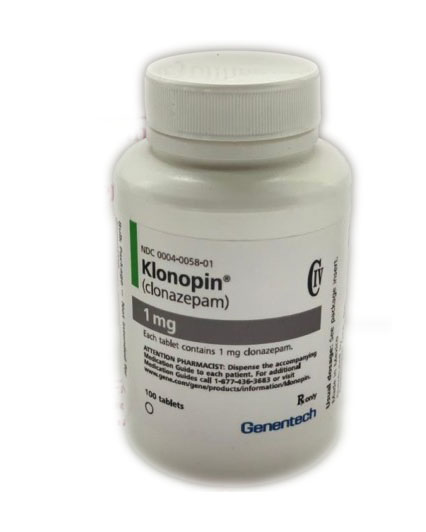
Klonopin, a benzodiazepine, is available in various forms, including scored tablets containing 0.5 mg of clonazepam and unscored tablets containing 1 mg or 2 mg of clonazepam. Each tablet contains excipients such as lactose, magnesium stearate, microcrystalline cellulose, and cornstarch. The colorants used are FD&C Yellow No. 6 Lake for the 0.5 mg tablet and FD&C Blue No. 1 Lake and FD&C Blue No. 2 Lake for the 1 mg tablet.
Chemically, clonazepam is 5-(2-chlorophenyl)-1,3-dihydro-7-nitro-2H-1,4-benzodiazepin-2-one, a light yellow crystalline powder with a molecular weight of 315.72. Below is its structural formula:
Possible Side Effects of Klonopin (Clonazepam)
While clonazepam can be an effective medication, it may cause side effects. If you experience any of the following signs of an allergic reaction, seek immediate emergency medical help:
- Hives
- Difficulty breathing
- Swelling of your face, lips, tongue, or throat
Some people may experience changes in mood or behavior. If you notice symptoms such as:
- Depression
- Anxiety
- Agitation or irritability
- Hostility or aggression
- Restlessness or hyperactivity (mentally or physically)
- Thoughts of suicide or self-harm
Contact your healthcare provider immediately.
Serious side effects include:
- Confusion
- Hallucinations
- Unusual thoughts or behaviors
For a complete list of side effects and pictures of Klonopin tablets, visit the official resources.
Precautions When Taking Klonopin
Before taking clonazepam (Klonopin), inform your doctor or pharmacist if you are allergic to it, other benzodiazepines (like diazepam or lorazepam), or if you have any other allergies. This medication may contain inactive ingredients that could cause allergic reactions or other issues.
Additionally, disclose your medical history, particularly if you have:
- Narrow-angle glaucoma
- Liver or kidney disease
- Lung or breathing problems
- Mental or mood disorders, including depression or suicidal thoughts
- A history of substance abuse, including drugs, alcohol, or other substances
Consult your pharmacist for more detailed information.
Klonopin Meaning
Klonopin is the brand name for clonazepam, a medication classified as a benzodiazepine. It is primarily used to treat anxiety disorders, panic attacks, and seizures. The drug works by affecting neurotransmitters in the brain, helping to calm the nervous system.
Is Klonopin a Blood Thinner?
No, Klonopin (clonazepam) is not a blood thinner. It is a benzodiazepine, which affects the brain and central nervous system to reduce anxiety and prevent seizures. Blood thinners are a different class of medications that help reduce the risk of blood clots.
Klonopin Action
The action of Klonopin (clonazepam) involves enhancing the effects of a neurotransmitter called GABA (gamma-aminobutyric acid). GABA is an inhibitory neurotransmitter that helps to calm brain activity, which is why clonazepam has a sedative, anti-anxiety, and anticonvulsant effect. This mechanism makes it effective for treating anxiety, panic disorders, and certain seizure disorders.
Dangers of Klonopin
While Klonopin is effective for its intended uses, it can be dangerous if misused or taken inappropriately. Some dangers of Klonopin include:
- Dependency: Prolonged use can lead to physical and psychological dependence.
- Overdose: Taking large doses, especially when combined with alcohol or other sedatives, can result in life-threatening respiratory depression or coma.
- Cognitive and motor impairment: Klonopin can impair memory, concentration, and motor coordination, which can affect daily activities like driving.
Dangers of Clonazepam in the Elderly
Older adults are more sensitive to the side effects of clonazepam. The dangers of clonazepam in the elderly can include:
- Increased risk of falls due to dizziness and sedation
- Cognitive decline or confusion
- Respiratory depression or difficulty breathing
- Drug interactions with other medications
Because of these risks, clonazepam should be prescribed with caution in elderly patients and often at lower doses.
Klonopin Wikipedia
For a detailed overview of Klonopin, including its history, pharmacology, and medical uses, visit its Wikipedia page. This resource provides a comprehensive understanding of clonazepam, its uses, side effects, and comparisons to other medications.
Klonopin vs Xanax
Both Klonopin (clonazepam) and Xanax (alprazolam) are benzodiazepines used to treat anxiety and panic disorders, but they differ in certain aspects:
- Klonopin has a longer half-life, meaning it stays in the system longer, making it suitable for managing long-term anxiety and preventing seizures.
- Xanax works more quickly but has a shorter duration of action, often leading to more frequent dosing.
- Klonopin is often used for anxiety and seizure disorders, while Xanax is more commonly prescribed for short-term anxiety and panic attacks.
- Klonopin has a lower potential for misuse due to its longer-acting nature, while Xanax is more commonly associated with addiction and abuse.
Klonopin for Anxiety
Klonopin is commonly prescribed for anxiety disorders, especially when other treatments have not been effective. It works by calming the central nervous system, reducing feelings of anxiety and restlessness. However, it is generally recommended for short-term use due to the risks of dependency and tolerance. For chronic anxiety, doctors may recommend alternative treatments like therapy or SSRIs (Selective Serotonin Reuptake Inhibitors).
For more information about related products or medications, visit A-Z Research Chemicals and explore our Nootropics selection.
Where to Buy Klonopin Online
If you’re interested in learning more about related products, browse our research chemical and nootropic offerings:
FAQ
1. What is Klonopin used for?
Klonopin is commonly prescribed to treat anxiety disorders, panic attacks, and seizures. It may also be used for other conditions as determined by your healthcare provider.
2. Can I drink alcohol while taking Klonopin?
Drinking alcohol while on Klonopin can increase the risk of serious side effects like drowsiness, dizziness, or difficulty breathing. It is advised to avoid alcohol during treatment.
3. How long does Klonopin stay in your system?
Klonopin has a long half-life, typically remaining in your system for several days after the last dose, depending on your metabolism and dosage.
4. Is Klonopin addictive?
Yes, Klonopin can be habit-forming, especially if used for prolonged periods or misused. Always follow your doctor’s instructions for proper use.
Conclusion
Klonopin is an effective medication for treating certain conditions like anxiety, panic attacks, and seizures, but it comes with potential risks and side effects. Always use it under the guidance of your healthcare provider and report any unusual symptoms immediately. For more information on related products and medications, explore our offerings at A-Z Research Chemicals.
Visit our official website for more details and browse through our Nootropics and other product categories to enhance your research experience.
Additional information
| Units | 140pills |
|---|

