-
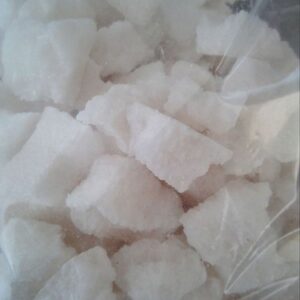
4-CL-PVP Crystal For Sale
Formal Name:
1-(4-chlorophenyl)-2-(pyrrolidin-1-yl)pentan-1-one
Synonyms:
4-C-PVP Crystal
CAS Number:
902324-25-5
Molecular Formula:
C15H20ClNO
Molecular Weight:
265.12
Compound Purity:
> 99.7%Price range: $180.00 through $3,000.00 -
 Price range: $180.00 through $3,000.00
 -
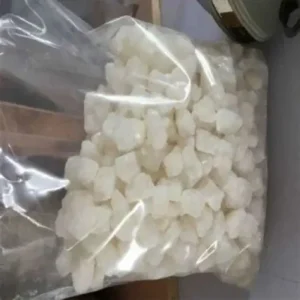
A-pvp Crystal For Sale
Buy A-Pvp Crystal Online has a short history of use and is subject to much scrutiny by the media, similar to how MDPV a were portrayed in early 2011 a-PVP Crystal is a synthetic stimulant drug of the cathinone and pyrovalerone classes.
Price range: $200.00 through $3,000.00 -
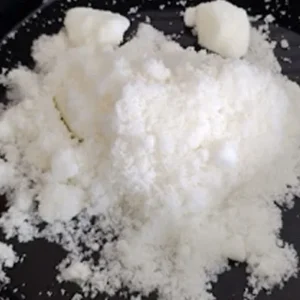 Price range: $300.00 through $4,500.00
 -
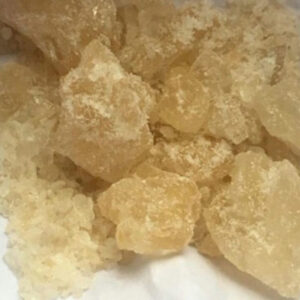 Price range: $200.00 through $2,800.00
 -
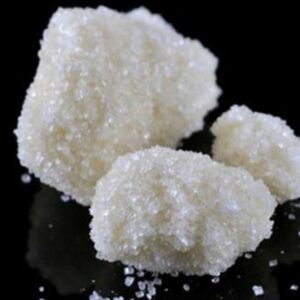 Price range: $200.00 through $2,400.00

Stimulant Chemicals: A Comprehensive Guide to Classification, Uses, and Pharmacology
What Are Stimulant Chemicals? Defining the Class
Stimulants are materials that enlarge recreation in the central worried system, main to stronger alertness, wakefulness, and energy. Biochemically, they work exceptionally with the aid of growing the ranges of key neurotransmitters dopamine, norepinephrine, and serotonin in the synaptic clefts of the brain. This amplification of neural signaling produces attribute results inclusive of expanded heart rate, blood pressure, respiration, and intellectual focus.
The stimulant classification encompasses numerous chemical buildings with various mechanisms of action, clinical applications, and danger profiles. Understanding these distinctions is quintessential for desirable classification and fantastic use.
Chemical Classification of Stimulants
1. Amphetamine-Type Stimulants (ATS)
Amphetamines signify one of the oldest and most studied training of stimulants, with each therapeutic functions and massive abuse potential.
Chemical Structure: Phenethylamine spine with a methyl team at the alpha carbon and a range of substitutions.
Primary Examples:
Amphetamine (Adderall, Dexedrine)
Methamphetamine (Desoxyn – prescription, crystal meth)
Methylphenidate (Ritalin, Concerta) – Structurally comparable however pharmacologically distinct
Lisdexamfetamine (Vyvanse) – Prodrug of dextroamphetamine
Mechanism of Action: Primarily expand launch and block reuptake of dopamine and norepinephrine. Some compounds additionally inhibit monoamine oxidase (MAO).
Medical Applications:
Attention Deficit Hyperactivity Disorder (ADHD) treatment
Narcolepsy management
Treatment-resistant despair (off-label)
Weight administration in particular clinical contexts (historical use)
2. Cathinone Derivatives
Cathinones are naturally happening stimulants discovered in the khat plant (Catha edulis) with severa artificial derivatives.
Chemical Structure: Beta-keto analog of amphetamines (possess a ketone crew at the beta role of the phenethylamine structure).
Primary Examples:
Cathinone (natural compound from khat)
Methcathinone (ephedrone)
Methylone, MDPV, Alpha-PVP (synthetic cathinones, “bath salts”)
Bupropion (Wellbutrin) – Atypical antidepressant with cathinone structure
Mechanism of Action: Similar to amphetamines however with various selectivity for dopamine, norepinephrine, and serotonin transporters.
Legitimate Medical Use: Bupropion is FDA-approved for depression, seasonal affective disorder, and smoking cessation. Other cathinones have minimal therapeutic utility and vast abuse potential.
3. Piperidine-Based Stimulants
A more moderen classification of artificial stimulants regularly acting as novel psychoactive substances.
Chemical Structure: Contain a piperidine ring, regularly as phase of a pyrrolidinophenone structure.
Primary Examples:
Methylphenidate (technically a piperidine derivative)
Various pyrovalerone derivatives (MDPV, Alpha-PVP)
Mechanism of Action: Primarily robust dopamine and norepinephrine reuptake inhibitors with minimal serotonin activity.
Therapeutic Use: Methylphenidate is broadly prescribed for ADHD. Other piperidine-based stimulants usually have no popular clinical use.
4. Xanthine Derivatives
Mild stimulants typically fed on global in liquids and foods.
Chemical Structure: Purine-based compounds.
Primary Examples:
Caffeine (coffee, tea, strength drinks)
Theophylline (asthma medication)
Theobromine (primary alkaloid in chocolate)
Mechanism of Action: Non-selective adenosine receptor antagonists. Adenosine usually promotes sleep and suppresses arousal; blocking off its receptors will increase wakefulness.
Medical Applications:
Caffeine for fatigue, neonatal apnea
Theophylline for asthma, COPD
Widespread social use for slight stimulation
5. Eugeroics (Wakefulness-Promoting Agents)
A more moderen category developed in particular for sleep problems with accelerated security profiles.
Chemical Structure: Diverse chemical constructions wonderful from common stimulants.
Primary Examples:
Modafinil (Provigil)
Armodafinil (Nuvigil)
Mechanism of Action: Complex and now not utterly understood. Involves dopamine reuptake inhibition however differs from amphetamines in its neurochemical profile. Affects orexin/hypocretin, histamine, and different systems.
Medical Applications:
Narcolepsy
Shift work sleep disorder
Obstructive sleep apnea (adjunct)
Off-label for ADHD and cognitive enhancement
6. Sympathomimetic Amines
Compounds that mimic the outcomes of the sympathetic anxious system.Chemical Structure: Varied, regularly comparable to endogenous catecholamines.
Primary Examples:
Ephedrine (decongestant, bronchodilator)
Pseudoephedrine (Sudafed – decongestant)
Phenylephrine (decongestant)
Mechanism of Action: Direct or oblique adrenergic receptor agonists.
Medical Applications:
Nasal decongestion
Asthma (historical use)
Hypotension treatment
Weight loss dietary supplements (restricted due to security concerns)
Medical Applications of Stimulant Chemicals
1. Attention Deficit Hyperactivity Disorder (ADHD)
2. Narcolepsy and Sleep Disorders
3. Depression and Mood Disorders
4. Weight Management
5. Cognitive Enhancement
6. Respiratory Conditions
Xanthine derivatives like theophylline stay in use for respiratory prerequisites regardless of the improvement of extra selective medications.
Research and Analytical Applications
In scientific contexts, stimulant chemical compounds serve essential roles:
1. Neuroscience Research
Used to learn about dopaminergic and noradrenergic systems, reward pathways, dependancy mechanisms, and cognitive processes.
2. Analytical Chemistry Standards
Pure reference requirements are indispensable for forensic toxicology, drug checking out validation, and pharmaceutical best control.
3. Pharmacological Development
Studying stimulant constructions informs improvement of new medicinal drugs with multiplied efficacy and decreased aspect effects.
4. Metabolic Studies
Research on stimulant metabolism helps pick out biomarkers for drug checking out and recognize man or woman versions in drug response.
Risks, Side Effects, and Public Health Considerations
Short-Term Adverse Effects
Cardiovascular: Increased coronary heart rate, blood pressure, danger of arrhythmia
Neurological: Anxiety, insomnia, tremors, headaches
Gastrointestinal: Nausea, urge for food suppression
Psychological: Irritability, restlessness, paranoia (at greater doses)
Long-Term Health Risks
Cardiovascular disease
Dependence and addiction
Psychosis (particularly with high-potency artificial cathinones)
Cognitive impairment with persistent abuse
Nutritional deficiencies
Addiction Potential
Stimulants differ notably in their dependancy potential:
High: Methamphetamine, cocaine, artificial cathinones
Moderate: Amphetamine, methylphenidate
Low: Modafinil, caffeine (when used as directed)
The dependancy viable correlates with the pace of onset, dopamine launch potency, and half-life of the compound.
Legal Status and Regulatory Framework
Stimulant chemical substances exist on a spectrum of felony availability:
Schedule II (US): Amphetamines, methylphenidate, methamphetamine (Desoxyn) – Accepted clinical use with extreme restrictions
Schedule IV: Modafinil, armodafinil, most benzodiazepines – Lower abuse potential
Uncontrolled: Caffeine, theophylline (as medications)
Internationally Controlled: Cocaine, methamphetamine (illicit), artificial cathinones
The criminal popularity displays balancing therapeutic advantages in opposition to abuse potential, with policies evolving as new compounds emerge and clinical perception advances.
Future Directions in Stimulant Research
1. Targeted Delivery Systems
Developing formulations with decreased abuse manageable through:
Prodrug designs (lisdexamfetamine model)
Extended-release mechanisms
Novel transport routes minimizing speedy CNS penetration
2. Receptor-Specific Compounds
Creating stimulants with selectivity for precise neurotransmitter structures to maximize therapeutic consequences whilst minimizing facet effects.
3. Personalized Medicine Approaches
Using genetic checking out to predict man or woman responses and optimize stimulant remedy for stipulations like ADHD.
4. Cognitive Enhancement Ethics
Developing moral frameworks for authentic cognitive enhancement whilst stopping misuse.
5. Harm Reduction Strategies
Creating safer preferences and therapy processes for stimulant use disorders.
Conclusion: Balancing Therapeutic Value and Risk
Stimulant chemical compounds symbolize a dual-edged sword in pharmacology offering profound advantages for professional clinical stipulations whilst offering considerable dangers when misused. The variety inside this type underscores the significance of nuanced understanding: caffeine in morning coffee, methylphenidate for ADHD, and methamphetamine in dependancy signify exceptional factors on the equal pharmacological spectrum.
For clinical professionals, researchers, and knowledgeable citizens, appreciation stimulant chemical substances ability appreciating their complicated biochemistry, respecting their therapeutic doable when appropriate applied, and acknowledging their dangers when misused. Continued lookup guarantees extra targeted, safer stimulant medicines whilst ongoing public fitness efforts work to tackle the challenges of stimulant misuse.
As our neurochemical perception deepens, so too will our capacity to harness the activating homes of these compounds for legit restoration whilst growing extra advantageous safeguards towards their manageable harms. This balanced method represents the most promising course ahead in our complicated relationship with one of pharmacology’s most strong and troublesome lessons of substances.