
-
 Price range: $270.00 through $950.00
 -
 Price range: $180.00 through $600.00
 -
 Price range: $200.00 through $600.00
 -
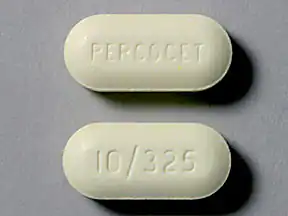 Price range: $240.00 through $450.00
 -
 Price range: $180.00 through $950.00
 -
 Price range: $240.00 through $660.00
 -
 Price range: $240.00 through $600.00
 -
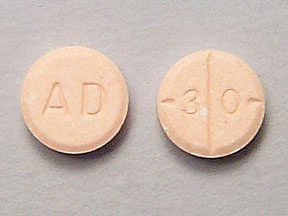 Price range: $240.00 through $450.00
 -
 Price range: $180.00 through $1,200.00
 -
 Price range: $250.00 through $2,300.00

Pills: A Comprehensive Guide to Their Origins, Uses, and Dangers
Pills are one of the most common and convenient forms of medication, revolutionizing the way we treat illnesses and maintain health. From their ancient origins to their modern-day applications, pills have played a critical role in medical advancements. However, their misuse and overuse have also led to significant health challenges. This article explores the history, uses, types, benefits, and dangers of pills, providing a thorough understanding of their impact on society.
What Are Pills?
Pills are solid, oral dosage forms of medication designed to deliver specific amounts of active ingredients to the body. They are one of the most widely used methods of drug administration due to their convenience, portability, and ease of use.
Types of Pills
Pills come in various forms, each designed for specific purposes:
- Tablets: Compressed powders that dissolve in the stomach or intestines.
- Capsules: Gelatin or plant-based shells filled with liquid, powder, or granules.
- Caplets: A hybrid of tablets and capsules, often easier to swallow.
- Softgels: Gelatin-based capsules containing liquid medication.
- Chewable Tablets: Designed to be chewed before swallowing, often used for children or those with difficulty swallowing.
- Sublingual Tablets: Placed under the tongue for rapid absorption into the bloodstream.
The Origins of Pills
The history of pills is a fascinating journey that spans thousands of years, reflecting humanity’s quest to develop effective and convenient ways to deliver medicine.
1. Ancient Beginnings
The concept of pills dates back to ancient civilizations, where natural remedies were shaped into small, consumable forms:
- Egyptians: Used honey and herbs to create medicinal pastes, which were rolled into small balls for easier consumption.
- Greeks and Romans: Advanced the art of pill-making by combining powdered herbs with binding agents like bread or clay.
2. The Birth of Modern Pills
The modern pill as we know it began to take shape in the 19th century:
- Pill Machines: In 1843, British inventor William Brockedon patented the first machine to compress powders into tablets, revolutionizing the production of pills.
- Standardized Dosages: The development of pill machines allowed for consistent dosages, improving the safety and effectiveness of medications.
3. The Pharmaceutical Revolution
The 20th century saw significant advancements in pill technology, including:
- Coated Tablets: Introduced to mask unpleasant tastes and protect the stomach lining.
- Controlled-Release Pills: Designed to release medication gradually over time, reducing the need for frequent dosing.
How Do Pills Work?
Pills work by delivering active ingredients to the body, where they are absorbed and distributed to target areas. The process varies depending on the type of pill and its intended use.
1. Absorption
Most pills are absorbed in the gastrointestinal tract. After swallowing, the pill dissolves in the stomach or intestines, releasing the active ingredients.
2. Distribution
Once absorbed, the active ingredients enter the bloodstream and are transported to the target site, such as the brain, muscles, or organs.
3. Metabolism and Excretion
The liver metabolizes the medication, breaking it down into active or inactive forms. The kidneys then excrete the waste products through urine.
Uses of Pills
Pills are used to treat a wide range of medical conditions, from minor ailments to chronic diseases. Here are some of their most common applications:
1. Pain Relief
Pills like acetaminophen, ibuprofen, and aspirin are widely used to manage pain, from headaches to arthritis.
2. Infection Treatment
Antibiotic pills, such as amoxicillin and ciprofloxacin, are used to treat bacterial infections.
3. Chronic Disease Management
Pills play a critical role in managing chronic conditions, including:
- Diabetes: Medications like metformin help regulate blood sugar levels.
- Hypertension: Pills like lisinopril and amlodipine lower blood pressure.
- High Cholesterol: Statins, such as atorvastatin, reduce cholesterol levels.
4. Mental Health
Antidepressants, antipsychotics, and anti-anxiety medications are commonly prescribed in pill form to treat mental health disorders.
5. Preventive Care
Pills are also used for preventive purposes, such as:
- Vitamins and Supplements: Support overall health and prevent deficiencies.
- Birth Control Pills: Prevent pregnancy and regulate menstrual cycles.
The Benefits of Pills
Pills offer numerous advantages that make them the preferred choice for medication delivery:
1. Convenience
Pills are easy to carry, store, and take, making them ideal for daily use.
2. Accurate Dosages
Pills provide precise dosages, ensuring consistent and effective treatment.
3. Long Shelf Life
Pills are stable and have a longer shelf life compared to liquid medications.
4. Non-Invasive
Unlike injections, pills are non-invasive and do not require special equipment or training.
The Dangers of Pills
While pills are generally safe when used as directed, their misuse and overuse can lead to serious health risks.
1. Side Effects
All pills come with potential side effects, which vary depending on the medication. Common side effects include:
- Nausea
- Drowsiness
- Allergic reactions
2. Overdose Risks
Taking more than the recommended dose of a pill can lead to overdose, which can be life-threatening. For example:
- Acetaminophen Overdose: Can cause liver damage or failure.
- Opioid Overdose: Can result in respiratory depression and death.
3. Dependency and Addiction
Certain pills, particularly opioids and benzodiazepines, have a high potential for addiction. Prolonged use can lead to physical and psychological dependence.
4. Drug Interactions
Pills can interact with other medications, foods, or supplements, leading to reduced effectiveness or harmful side effects.
5. Counterfeit Pills
The rise of counterfeit pills, often sold online or on the black market, poses significant risks. These pills may contain harmful substances or incorrect dosages.
The Role of Pills in the Opioid Crisis
The misuse of prescription pain pills, particularly opioids, has led to a global public health crisis.
1. The Rise of Prescription Opioids
In the 1990s, pharmaceutical companies promoted opioids as a safe and effective solution for pain management, leading to a surge in prescriptions.
2. Transition to Illicit Drugs
As regulations tightened, many individuals turned to illicit opioids, such as heroin and fentanyl, which are cheaper and more accessible.
3. The Human Toll
The opioid crisis has resulted in millions of deaths worldwide, with overdose rates continuing to rise. It has also placed a significant burden on healthcare systems and communities.
Alternatives to Pills
For individuals seeking alternatives to pills, there are several options available:
1. Topical Medications
Creams, gels, and patches can deliver medication directly to the affected area, reducing the need for oral pills.
2. Injections
Injections provide rapid and targeted delivery of medication, often used for vaccines or severe pain.
3. Lifestyle Changes
Diet, exercise, and stress management can help prevent or manage certain conditions without the need for pills.
4. Natural Remedies
Herbal supplements, acupuncture, and other natural therapies may provide relief for some conditions.
Regulation and Safety of Pills
The regulation of pills varies by country, but most governments have implemented measures to ensure their safety and effectiveness.
1. Approval Process
Before a pill can be sold, it must undergo rigorous testing and approval by regulatory agencies, such as the FDA in the United States.
2. Prescription Guidelines
Prescription pills are regulated to ensure they are used appropriately and only for their intended purposes.
3. Public Education
Educational campaigns aim to raise awareness about the safe use of pills and the risks of misuse.
Tips for Using Pills Safely
If you are prescribed pills, here are some tips to ensure safe and effective use:
- Follow Instructions: Take the medication exactly as prescribed by your doctor.
- Store Properly: Keep pills in a cool, dry place, away from children and pets.
- Avoid Sharing: Never share prescription pills with others, as they may not be safe for them.
- Be Aware of Interactions: Inform your doctor about all medications and supplements you are taking.
- Dispose of Unused Pills: Safely dispose of any unused pills to prevent misuse.
Conclusion
Pills have revolutionized medicine, providing a convenient and effective way to treat a wide range of conditions. However, their misuse and overuse can lead to significant health risks, including addiction, overdose, and drug interactions.
By understanding the origins, uses, and dangers of pills, individuals can make informed decisions about their use. Through education, regulation, and the promotion of alternative treatments, we can ensure that pills are used safely and effectively to improve health and well-being.