
-
 $1,500.00
 -
-

-

-

-

-

-

-

-

-

-


HGH and HCG: A Comprehensive Guide to Their Origins, Uses, and Dangers
Human Growth Hormone (HGH) and Human Chorionic Gonadotropin (HCG) are two hormones that have gained significant attention in the fields of medicine, fitness, and weight loss. While both hormones play critical roles in the human body, their misuse and off-label applications have sparked debates about their safety and effectiveness. This article explores the origins, uses, dangers, and societal impact of HGH and HCG, providing a thorough understanding of these powerful hormones.
What Are HGH and HCG?
HGH and HCG are naturally occurring hormones in the human body, each with distinct functions and applications.
1. What Is HGH?
Human Growth Hormone (HGH) is a peptide hormone produced by the pituitary gland. It plays a vital role in growth, cell regeneration, and metabolism. HGH is particularly important during childhood and adolescence, as it stimulates growth in bones and tissues. In adults, it helps maintain muscle mass, bone density, and overall metabolic health.
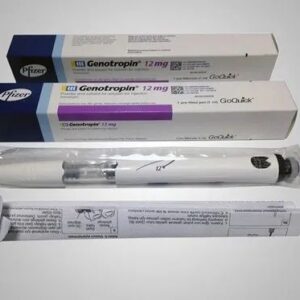
HGH is also available as a synthetic drug, often prescribed for medical conditions such as growth hormone deficiency and certain genetic disorders.
2. What Is HCG?
Human Chorionic Gonadotropin (HCG) is a hormone produced during pregnancy by the placenta. It supports the development of the embryo and fetus by stimulating the production of progesterone, a hormone essential for maintaining pregnancy.
HCG is also used medically to treat fertility issues in both men and women. Additionally, it has gained popularity in weight loss programs, although its effectiveness for this purpose is controversial.
The Origins of HGH and HCG
The discovery and development of HGH and HCG have fascinating histories that highlight their importance in medicine and science.
1. The Discovery of HGH
HGH was first identified in the 1920s, but it wasn’t until the 1950s that scientists were able to extract it from human pituitary glands. Early treatments involved using HGH to address growth hormone deficiencies in children.
In the 1980s, synthetic HGH was developed using recombinant DNA technology, making it safer and more widely available. This breakthrough revolutionized the treatment of growth disorders and opened the door to new medical applications.
2. The Discovery of HCG
HCG was discovered in the early 20th century when scientists began studying the hormonal changes that occur during pregnancy. In the 1920s, researchers identified HCG as the hormone responsible for maintaining pregnancy by supporting the production of progesterone.
By the mid-20th century, HCG was being used medically to treat infertility and other reproductive issues. Its role in weight loss programs emerged later, largely due to the controversial “HCG diet” popularized in the 1950s.
How Do HGH and HCG Work?
HGH and HCG function through different mechanisms in the body, each targeting specific physiological processes.
1. How Does HGH Work?
HGH stimulates growth and cell regeneration by binding to receptors on target cells. It promotes the production of insulin-like growth factor 1 (IGF-1), a hormone that plays a key role in bone and tissue growth.
Key functions of HGH include:
- Stimulating Growth: Promotes the growth of bones and muscles, particularly during childhood and adolescence.
- Regulating Metabolism: Enhances fat metabolism and supports the maintenance of lean body mass.
- Cell Repair: Aids in the repair and regeneration of tissues, including skin and organs.
2. How Does HCG Work?
HCG mimics the action of luteinizing hormone (LH), a hormone that stimulates the production of sex hormones in both men and women.
Key functions of HCG include:
- Supporting Pregnancy: Maintains the production of progesterone during early pregnancy, ensuring the uterine lining remains intact.
- Stimulating Ovulation: In women, HCG is used to trigger ovulation during fertility treatments.
- Boosting Testosterone Production: In men, HCG stimulates the testes to produce testosterone, which can improve sperm production and fertility.
Uses of HGH and HCG
HGH and HCG have a wide range of medical and non-medical applications, some of which are controversial.
1. Medical Uses of HGH
HGH is prescribed for several medical conditions, including:
- Growth Hormone Deficiency: Used to treat children and adults with insufficient HGH production.
- Turner Syndrome: A genetic disorder affecting growth and development in girls.
- Prader-Willi Syndrome: A genetic condition characterized by poor muscle tone, low levels of sex hormones, and a constant feeling of hunger.
- Muscle-Wasting Diseases: Helps preserve muscle mass in conditions like HIV/AIDS.
2. Medical Uses of HCG
HCG is primarily used in reproductive medicine, including:
- Fertility Treatments: Stimulates ovulation in women and increases sperm production in men.
- Cryptorchidism: Treats undescended testes in young boys.
- Hypogonadism: Boosts testosterone production in men with low testosterone levels.
3. Non-Medical and Off-Label Uses
Both HGH and HCG are used off-label for purposes that are not approved by regulatory agencies:
- HGH for Anti-Aging: Some individuals use HGH to reduce wrinkles, improve skin elasticity, and enhance overall vitality, despite limited evidence of its effectiveness.
- HGH for Athletic Performance: Athletes and bodybuilders use HGH to increase muscle mass, strength, and recovery, although this practice is banned in professional sports.
- HCG for Weight Loss: The controversial “HCG diet” involves combining HCG injections with a very low-calorie diet. Proponents claim it accelerates fat loss, but scientific evidence does not support these claims.
The Dangers of HGH and HCG
While HGH and HCG have legitimate medical uses, their misuse and overuse can lead to serious health risks.
1. Risks and Side Effects of HGH
Excessive or inappropriate use of HGH can cause:
- Joint and Muscle Pain: Overstimulation of growth can lead to discomfort and stiffness.
- Swelling (Edema): Fluid retention can cause swelling in the hands and feet.
- Carpal Tunnel Syndrome: Increased pressure on the median nerve in the wrist.
- Insulin Resistance: Prolonged use can lead to diabetes or exacerbate existing conditions.
- Enlargement of Organs: Excessive HGH can cause abnormal growth of organs, including the heart, which can be life-threatening.
2. Risks and Side Effects of HCG
Misuse of HCG, particularly in weight loss programs, can result in:
- Hormonal Imbalances: Disrupting the body’s natural hormone production.
- Ovarian Hyperstimulation Syndrome (OHSS): A rare but serious condition in women undergoing fertility treatments.
- Blood Clots: Increased risk of deep vein thrombosis (DVT) and other clotting disorders.
- Mood Swings and Irritability: Hormonal fluctuations can affect mental health.
- Electrolyte Imbalances: The very low-calorie diets often paired with HCG can lead to dangerous imbalances.
HGH and HCG in Sports and Fitness
The use of HGH and HCG in sports and fitness is a contentious issue, as both hormones are banned by most professional sports organizations.
1. HGH in Sports
Athletes and bodybuilders use HGH to enhance performance, build muscle, and speed up recovery. However, these benefits come with significant risks, including the potential for disqualification and long-term health consequences.
2. HCG in Sports
HCG is sometimes used by male athletes to restore natural testosterone production after using anabolic steroids. This practice is illegal and can result in severe penalties if detected.
Legal Status of HGH and HCG
The legal status of HGH and HCG varies by country and depends on their intended use.
1. Prescription-Only Medications
In most countries, HGH and HCG are classified as prescription-only medications. They can only be legally obtained with a doctor’s prescription for approved medical conditions.
2. Banned in Sports
Both HGH and HCG are banned by the World Anti-Doping Agency (WADA) and other sports organizations. Athletes caught using these substances face severe penalties, including suspension and disqualification.
3. Black Market and Online Sales
The misuse of HGH and HCG has led to a thriving black market, where counterfeit and unregulated products are sold. These products pose significant health risks due to unknown ingredients and dosages.
Treatment for Misuse and Dependency
Individuals who misuse HGH or HCG may require medical intervention and support to address dependency and health complications.
1. Medical Monitoring
Regular monitoring by healthcare professionals is essential to manage side effects and prevent long-term damage.
2. Counseling and Support
Psychological support can help individuals address the underlying reasons for hormone misuse and develop healthier habits.
3. Education and Awareness
Raising awareness about the risks of hormone misuse can help prevent abuse and promote safer practices.
Conclusion
HGH and HCG are powerful hormones with critical roles in human health and reproduction. While they have legitimate medical uses, their misuse for anti-aging, athletic performance, and weight loss poses significant risks.
Understanding the origins, uses, and dangers of HGH and HCG is essential for making informed decisions about their use. By promoting education, regulation, and responsible practices, we can ensure that these hormones are used safely and effectively for their intended purposes.
